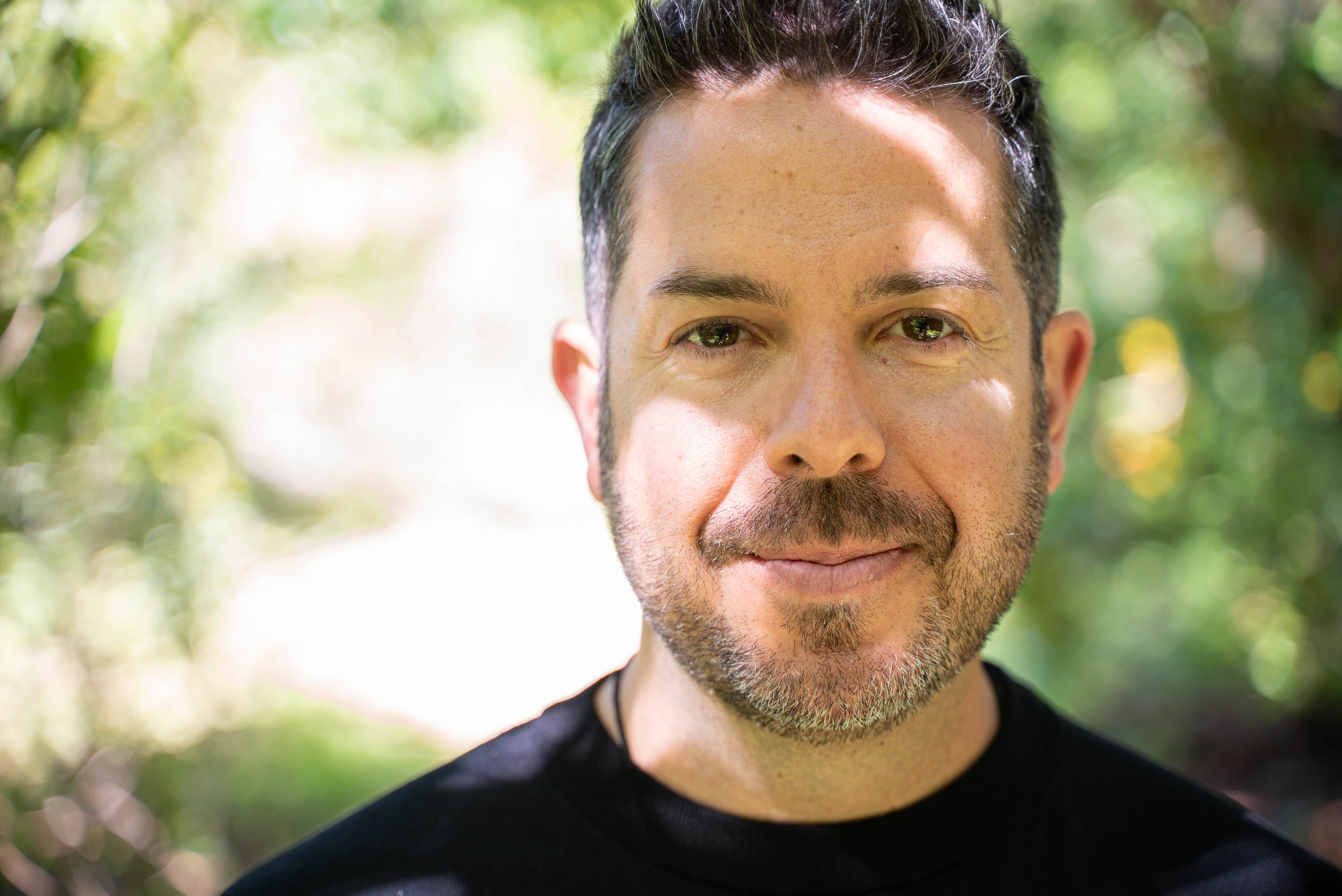
JayIlan
I make musicals, dig into what makes stories work, and believe theatre only really sings when everyone in the room feels safe bringing their full selves.
About me
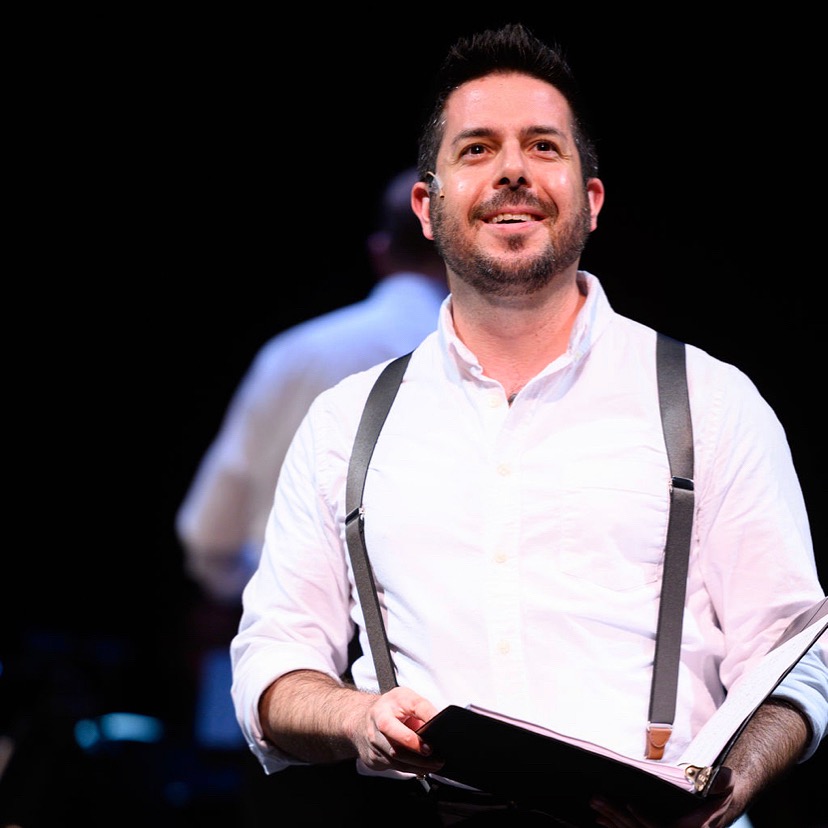
I was raised on musical theatre. My grandparents took me to every dinner theatre production Southern California had to offer, and I could sing the entire score to Sweeney Todd before my Bar Mitzvah. The path to NYU Tisch felt less like a choice and more like gravity.
I spent close to fifteen years in New York making theatre — performing, associate directing bare at the American Theatre of Actors, assisting director Deb Hurwitz on several musicals, winning a Backstage Bistro Award with a cabaret vocal trio, teaching Feedback Forum, arranging harmonies for workshops at Ars Nova. Summers I'd head up to Acting Manitou (now Ghostlight Theater Camp) where I taught, music directed, and directed devised productions — including a Neverending Story and a Hercules that I'm still proud of.
Eventually I pivoted into a second career in tech, leading learning, organizational development, and executive coaching at companies like Adobe, Meta, and Lyft. It shaped everything about how I think about making art. I spent a decade learning how to build teams where people do their best work — facilitating hard conversations, giving feedback that actually lands, designing systems where collaboration isn't aspirational but structural. When I came back to theatre, all of that came with me.
Now I'm in the Bay Area, where I've found a theatre community that values the same things I do. I wear a lot of hats and I like it that way. Directing a show changes how I walk into an audition. Breaking down text as a dramaturg changes how I teach a song. The disciplines talk to each other.
I'm also a social worker and therapist — I completed my MSW at the University of Michigan in 2026. That training deepened how I think about what happens between people in a rehearsal room, a classroom, and everywhere else. It reinforced what I've always believed: I bring my whole self to this process — director, dramaturg, social worker, organizational coach. These skills aren't secondary; they're essential to creating a space where creatives can do brave and imaginative work.
I live in Oakland with my husband and our dog. I play too much piano, argue about Sondheim with anyone who'll engage, and remain convinced that Caroline, or Change is the great American musical.
Acting
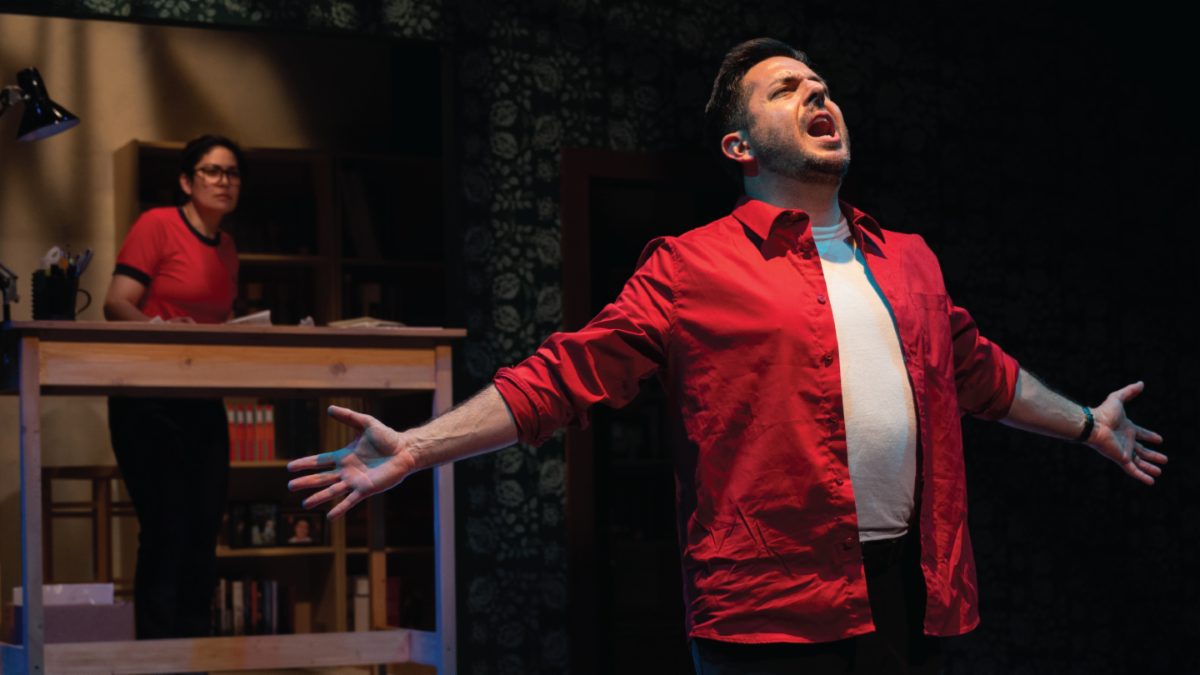
Where it started
Acting is where it all started, and it's still the thing that makes the other disciplines make sense. I'm drawn to characters caught between what they want and what they think they should want — people who are smarter than they let on, or dumber than they think.
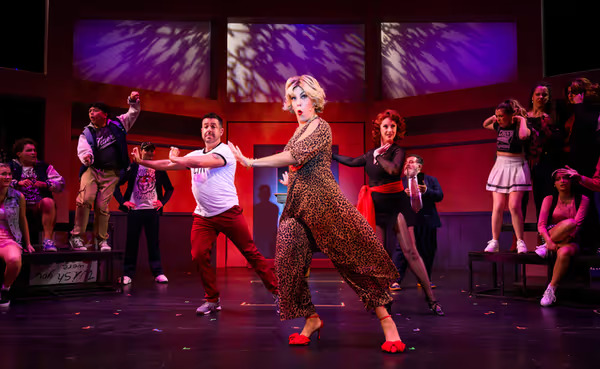
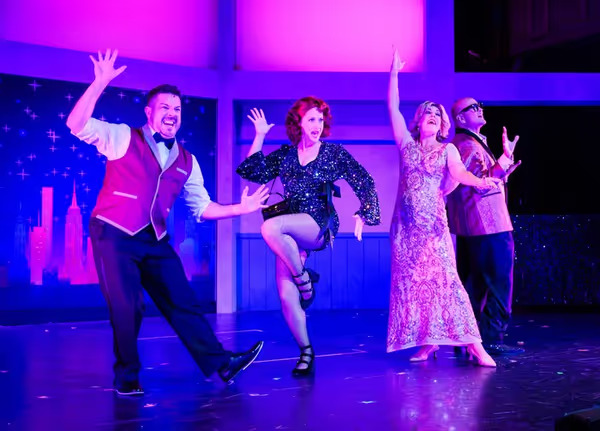
I've played Bruce Bechdel unraveling in Fun Home, Anatoly defecting mid-chess match, and Joe Maudlin playing the upright bass in The Buddy Holly Story (still probably the most fun I've had onstage). In New York, I ran around Webster Hall multiple shows a week in The Awesome 80s Prom and worked with Liz Swados on Four More Years.
Vesely (Ilan) registers strongly in an especially difficult role. He manages to be overbearing without ever totally putting us off, and allows us to see the humanity and conflict behind this deeply flawed man.Jim Munson, BroadwayWorld — on Bruce in Fun Home
Vesely (Ilan) as Trent Oliver gives us a taste of his talents in Love Thy Neighbor that packs more punch than the Act I finale.Kelly Rogers Flynt, BroadwayWorld — on The Prom
Reel
Training
NYU Tisch School of the Arts — Playwrights Horizons Theatre School. Acting: Maggie Lowe, Elizabeth Hess. Music Theatre: VP Boyle, Eric Woodall. Voice: Aaron Hagan, Stephanie Samaras.
Details
Range: F2–B♭4 · Pronouns: any/all, with respect
Instruments: Piano, guitar, upright bass · Strong sight-reader
Based in Oakland, CA
Interested in casting me? I'd love to hear about your project.
Directing
Curiosity first
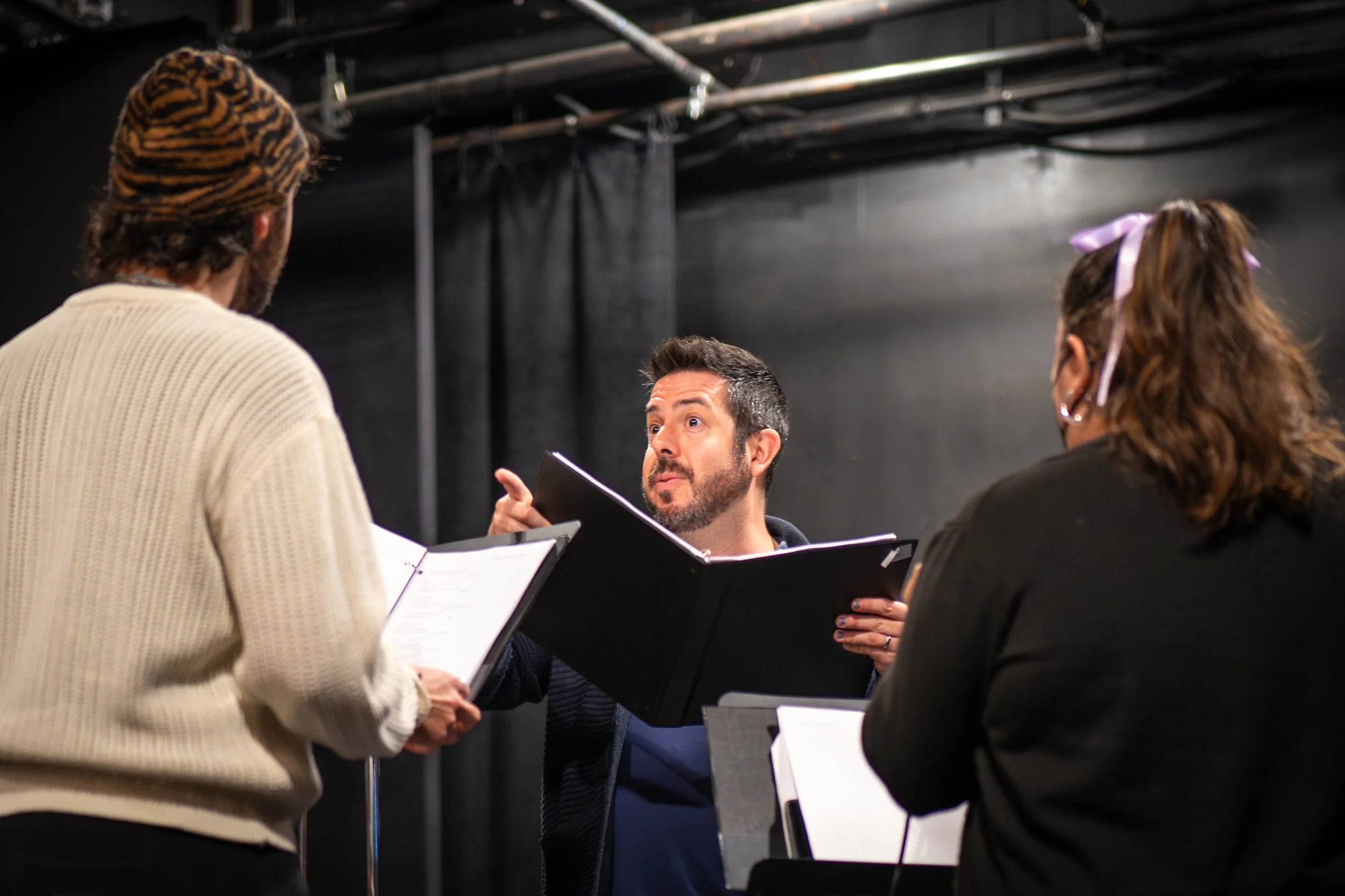
I direct from curiosity, not from a fixed vision. I come in having done the homework — dramaturgical research, score analysis, a clear point of view on the world of the piece — and then I make space for the ensemble to push back, contribute, and surprise me.
I cut my teeth in New York — associate directing bare with Kristin Hanggi at the American Theatre of Actors and assisting Deb Hurwitz on several musicals. At Acting Manitou, I directed devised original productions of The Neverending Story and Hercules with young artists. In the Bay Area, I co-created A Distant Dinner Party with Jessica Coker for 42nd St Moon — a show we co-wrote and co-directed for their virtual season.
My years in tech — coaching leaders, facilitating cross-functional teams, designing feedback systems — fundamentally shaped how I run a rehearsal room. I believe theatre works best when everyone in it feels ownership of what we're making. That's not a soft philosophy; it's a practical one.
My directing work starts long before rehearsal — with research, a clear concept, and a vision for every design element. Below is a pitch deck I developed for Urinetown. It shows how I think about a production from the inside out: acting style, choreographic references, set, lighting, costumes, and casting strategy.
View Directing Pitch: UrinetownIf you're looking for a director who does the homework and builds brave rooms, let's connect.
Music Direction

The score as argument
I'm a musician first — piano, guitar, upright bass — and I ran an a cappella group at NYU, so vocal arranging and ensemble work are in my bones.
Music direction is about digging into what the composer is actually asking for — not just teaching the notes. Where does the harmony support the dramatic argument? Where does the rhythm tell you something about a character that the lyric doesn't?
I'm especially drawn to new work, where the score is still evolving and the conversation between music and text is happening in real time.
Original recording: Coming to My Senses — available on Spotify, Apple Music, and Amazon.
If you're looking for a music director who digs into the text as deeply as the score, let's talk.
Dramaturgy
The right questions
I was doing dramaturgy for years before I knew that's what it was called. It's the discipline of asking the right questions — about context, history, intention, stakes — so the creative team can make choices that land.
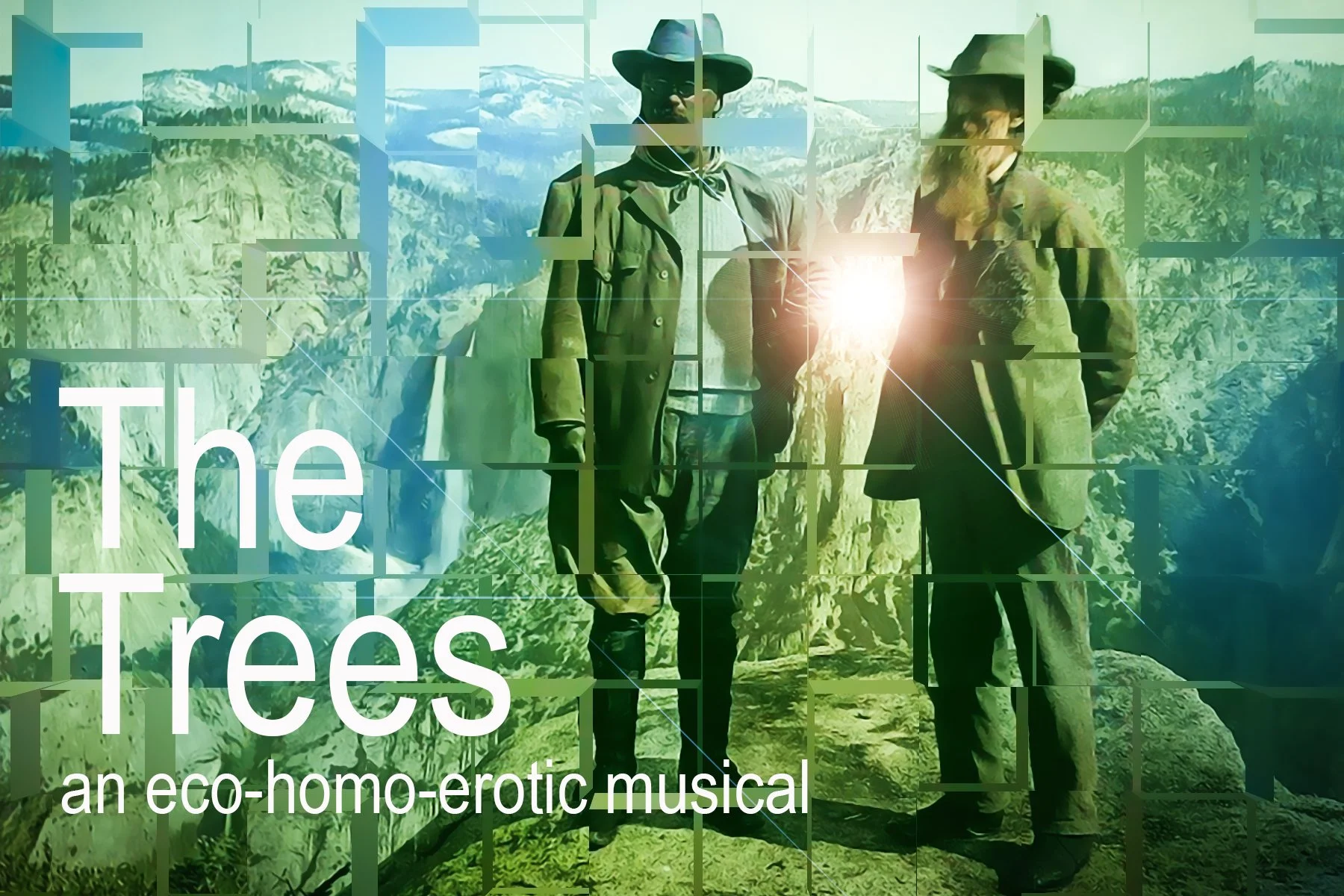
Most recently, I served as dramaturg and music supervisor for The Trees, a new musical that examines what happens when a culture systematically severs its connection to nature and intimacy. The dramaturg's note I wrote for that production is probably the best window into how I approach this work.
The Trees — Development History
If you're developing new work and want a dramaturg who asks the hard questions about text, history, and stakes — I'm your person.
Teaching
Built from scratch
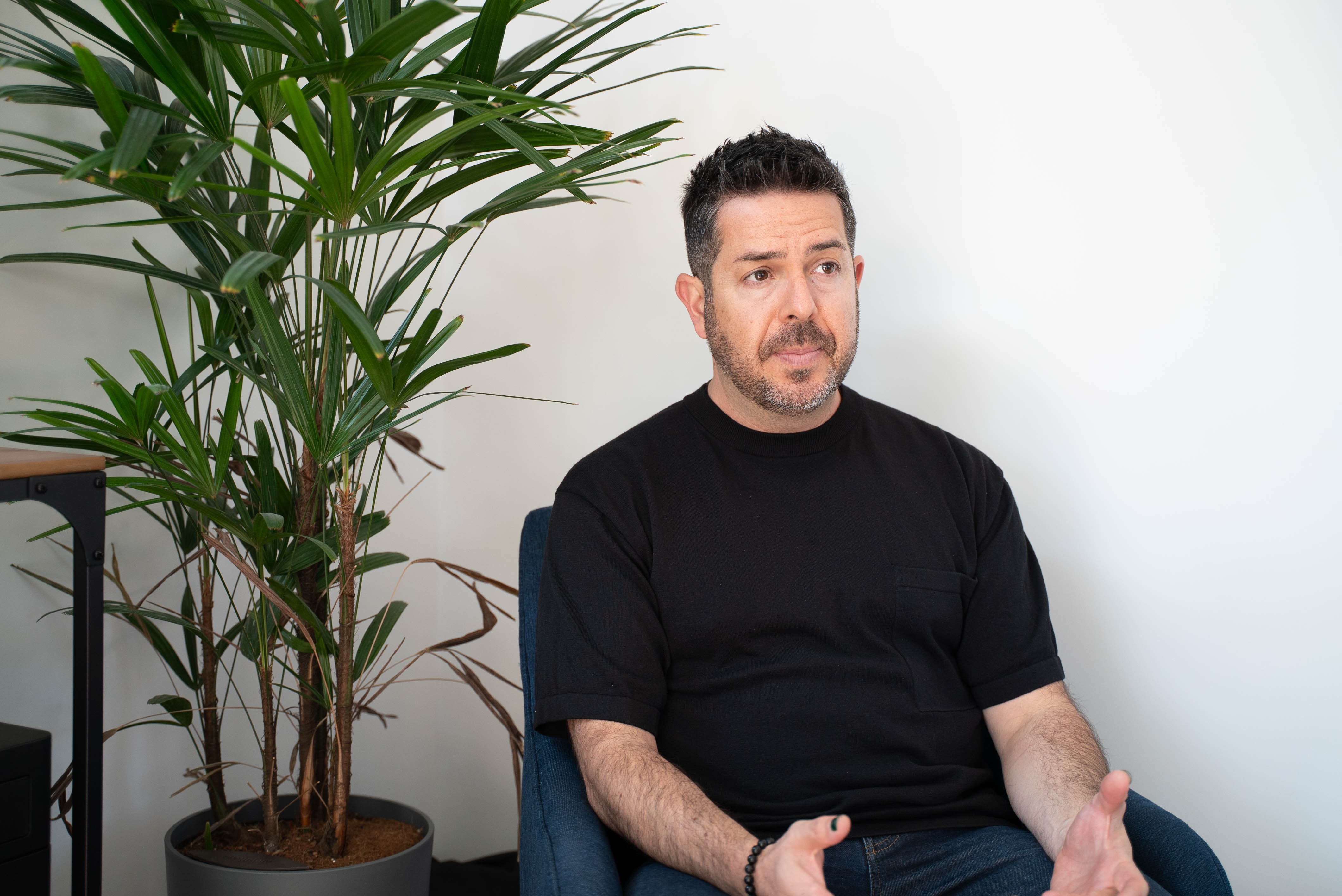
I don't just teach classes — I design them. Before I came back to theatre, I spent a decade in learning design and organizational development at companies like Adobe, Meta, and Lyft, building curriculum from the ground up, managing programs at scale, and obsessing over what actually makes people learn. That background shapes everything about how I approach teaching in a theatre context.
Every class I teach is something I've designed — built around clear learning outcomes, scaffolded to meet learners where they are, and structured to give students real skills they can use beyond the classroom. I work with all ages and experience levels, from young artists encountering theatre for the first time to graduate students and working professionals.
At the San Francisco School of the Arts, I designed and teach Acting the Song, a course that moves from musical dramaturgy through book-building to an immersive module where students run auditions, screen resumes, and make casting decisions for a full season. The goal is for them to leave as artists who understand how this industry works — who can advocate for themselves, and who know that not booking the gig is almost never a reflection of their talent.
I've taught and music directed at Washington High School in Fremont, at Acting Manitou (now Ghostlight Theater Camp) where I built devised original musicals with young artists, and at the University of Michigan School of Social Work where I co-lead the Peer Coaching Program. In New York, I led Feedback Forum for several years — a class built around the art of giving and receiving honest critique.
Below is a sample module from my Acting the Song curriculum at SF SOTA — it shows how I structure content, scaffold learning, and build toward practical skills students can use in the real world.
View Sample Module: Building Your BookIf you're looking for someone to design and teach a workshop, a class, or a full program — for any age group — I'd love to talk.
Get in touch
Whether it's a production, a collaboration, a class, or just a conversation about the work — I'd love to hear from you.
jay@jayilan.com